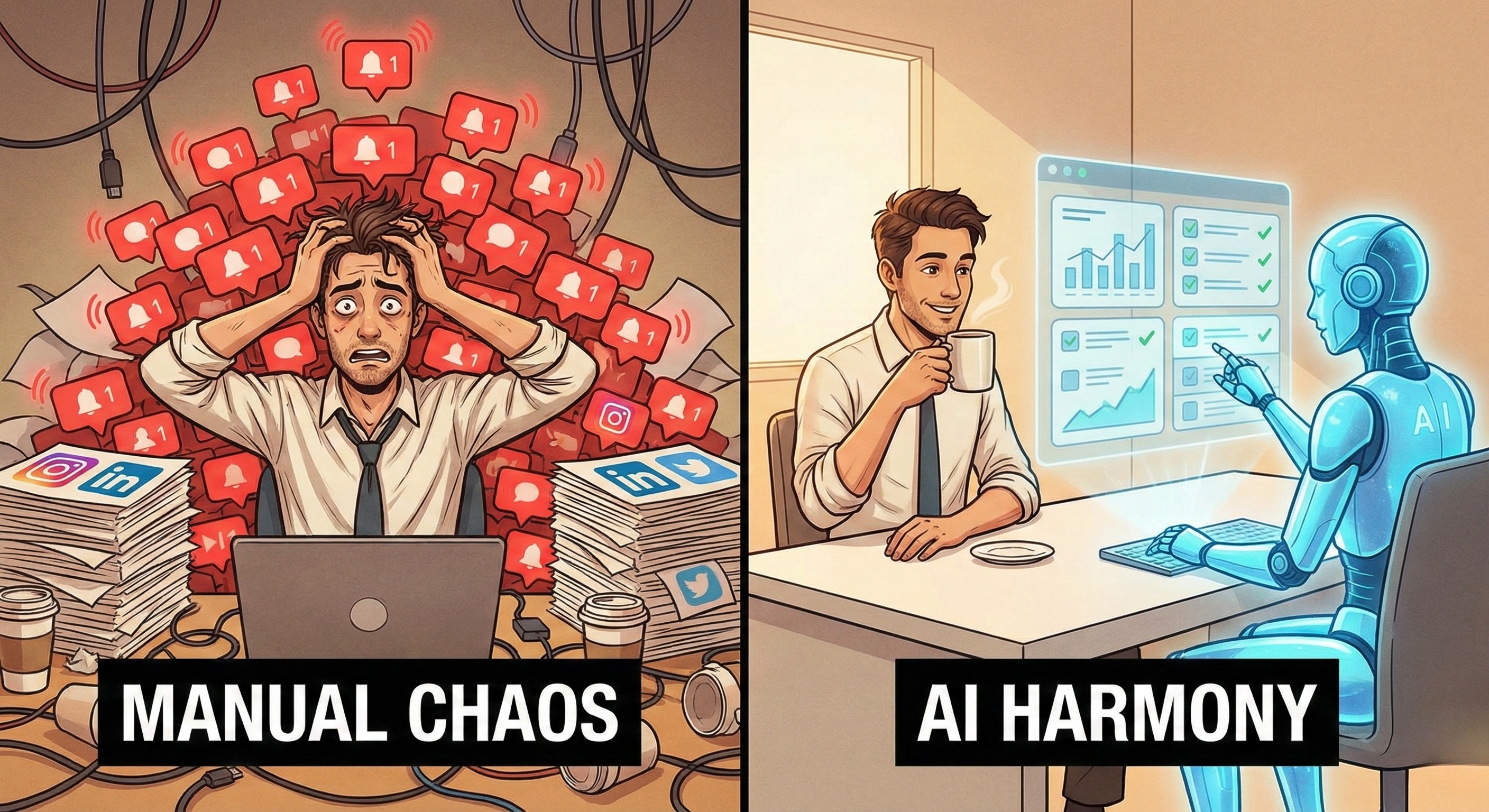


For the past decade, the formula for growth was linear and expensive: to double your output, you had to double your headcount. Operational leaders faced a binary choice: hire expensive local talent (slow, high overhead) or manage complex outsourcing workflows (friction-heavy, quality control issues). As Customer Acquisition Costs (CAC) continue to rise globally, this labor-heavy model is becoming mathematically unsustainable.
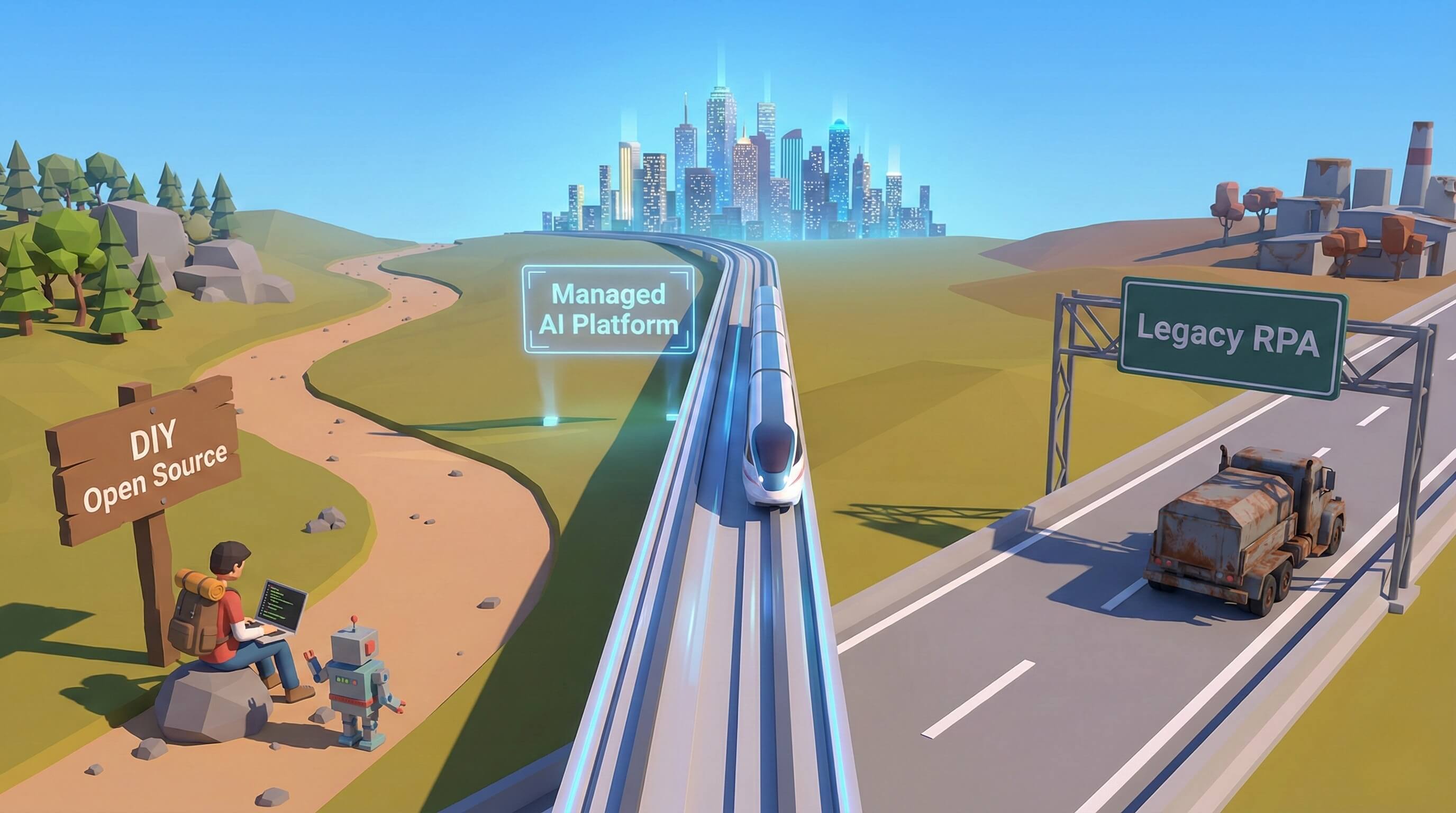
Simultaneously, the "first wave" of automation—rigid scripts, browser extensions, and fragile bots—has failed to bridge the gap. These tools require constant human supervision, break whenever a platform updates its interface, and often pose operational compliance risks. They promised efficiency but delivered technical debt.
But a third option has emerged, fundamentally changing the unit economics of growth: The AI Workforce.
We are moving beyond the era of "automation tools" that require you to do the work. We are entering the era of AI Employees—autonomous, cognitive digital employees that you hire, onboard, and assign to specific roles within your organization.
This comprehensive guide defines what an AI Worker actually is, dissects the difference between "tools" and "workforce," and explains why forward-thinking enterprises are building "Hybrid Teams" to drive efficiency at unprecedented scale.
Part 1: Defining the AI Worker
Autonomy, Context, and Ownership
To understand the future of work, we must first redefine our vocabulary. What exactly is an AI Worker?
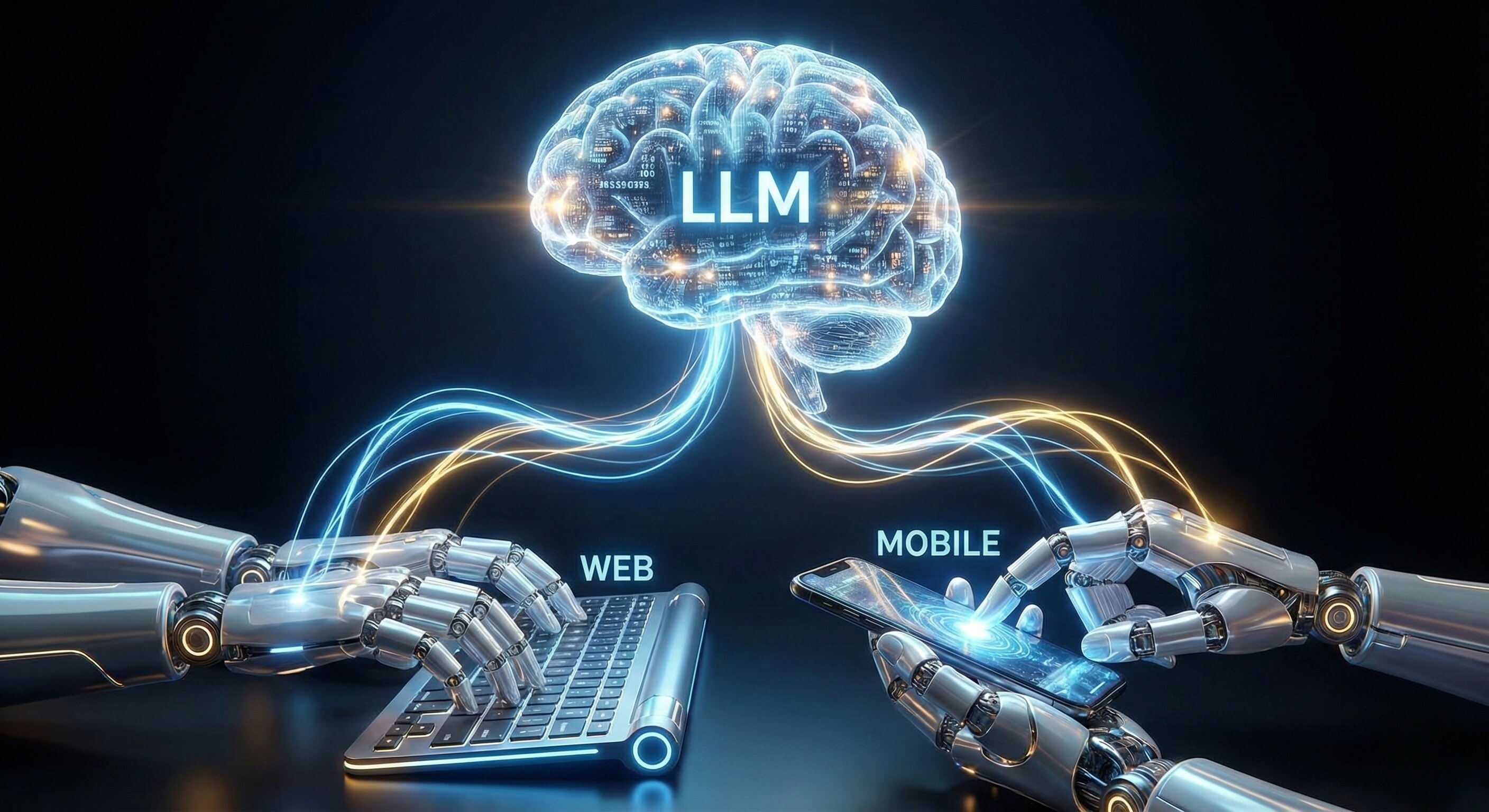
An AI Worker (or AI Agent) is autonomous software designed to execute specific job functions by understanding business context, reasoning through workflows, and delivering completed objectives.
Unlike a static software tool (which waits passively for user input), an AI Worker acts as an active participant in your business. It receives a goal—not just a command—and manages the entire execution process, adapting to environmental changes without requiring constant human intervention.
The Core Difference: "Tool" vs. "Employee"
The distinction lies in Ownership of the Outcome.
-
The Tool (e.g., A Calendar App): You open the app. You type the details. You verify the time zone. You click send. If you forget a step, the meeting doesn't happen. The tool has utility, but zero agency.
-
The AI Worker (e.g., An AI Executive Assistant): You simply say, "Schedule a meeting with the partners for next Tuesday." The AI Worker understands the intent. It checks availability, handles time zone coordination, sends the invites, and follows up if there is no response. It owns the outcome.
Promoi’s AI Workers operate on this "Employee" level. They don't just "execute scripts"; they fulfill roles.
The "Black Box" of Execution
In the past, you had to care how the automation worked (selectors, APIs, cookies). With an AI Worker, the execution layer is abstracted.
-
Legacy Automation: Fails if a button moves 5 pixels to the right.
-
AI Worker: Powered by our Visual AI Engine, it understands that the "Submit" button is still the "Submit" button, regardless of where it is on the screen. It adapts to the interface just as a human employee would, ensuring business continuity even when platforms update their layouts.
Part 2: The Core Shift
From Managing Tasks to Orchestrating Outcomes
The transition to AI Workers represents a paradigm shift in management style. You are no longer debugging code; you are managing a team.
|
Dimension |
Legacy Automation (RPA/Bots) |
AI Workforce (Promoi) |
|---|---|---|
|
Input Mechanism |
Rigid Code / Complex Settings |
Natural Language Goals & SOPs |
|
Scope of Responsibility |
Performs a single, repetitive action |
Owns a complete, multi-step workflow |
|
Resilience |
Brittle; breaks on UI updates |
Adaptive; resilient to platform changes |
|
Management Style |
Technical debugging & maintenance |
Strategic oversight & KPI tracking |
|
Scalability |
Limited by user's active time |
Infinite (Cloud Mobile Execution) |
|
Maintenance Cost |
High (Technical debt) |
Low (Managed Infrastructure) |
The Strategic Advantage: By shifting from "Task-Based" to "Outcome-Based" execution, your human team reclaims 30-50% of their time previously spent on administrative drudgery.
Part 3: The Economic Business Case
The Unit Economics of the "Elastic Workforce"
Why are Fortune 500 companies and agile startups alike rapidly adopting AI Workers? The answer lies in the financial distinction between CAPEX (Capital Expenditure) and OPEX (Operational Expenditure), and the concept of Elasticity.
1. Organizational Elasticity
Traditional hiring is rigid. Recruiting, interviewing, and onboarding a human Sales Development Representative (SDR) can take 3-6 months. This is a massive opportunity cost.
-
Deploy Instantly: "Hiring" an AI Worker for a new market takes minutes. You define the role, upload the knowledge base, and they start working.
-
Scale by Demand: If you are launching a product in a new region, you can spin up a dedicated team of AI Agents instantly to handle the surge in engagement, then scale down when the launch period ends.
-
Flexible Allocation: Reassign agents from "Lead Gen" to "Customer Support" instantly as business priorities shift, with zero friction.
2. Operational Consistency
Humans are creative, but they can be inconsistent with repetitive protocols. They get tired. They miss details. An AI Worker follows your defined Brand Guidelines and SOPs with 100% fidelity.
-
Protocol Adherence: It ensures that every interaction, regardless of the channel or time of day, aligns perfectly with your defined corporate standards.
-
Global Availability: Your business remains responsive 24/7, ensuring a seamless customer experience across all time zones without the need for graveyard shifts.
3. The ROI of High-Value Work
The biggest waste of resources in modern business is having talented humans perform robotic tasks.
-
AI Role: Data collection, initial qualification, distribution, monitoring.
-
Human Role: Relationship building, strategic negotiation, creative direction, crisis management.
The Result: Higher job satisfaction for your human team (who get to do meaningful work) and significantly higher output for the business (which gets tireless execution).
Part 4: Enterprise-Grade Security
The "Secure Workspace" Architecture
When deploying a digital workforce, security, compliance, and data integrity are paramount. One common misconception is that AI Agents are "bots" running loosely on a server. Promoi utilizes a much more sophisticated "Secure Remote Workspace" architecture.
1. Isolation by Design
Just as a bank provides remote human employees with secure, isolated virtual desktops (VDI) to ensure security, Promoi assigns each AI Worker its own dedicated environment via our Anti-detect Browser technology.
-
Operational Integrity: Each agent operates in a silo. Data from one campaign or client never intersects with another. This prevents cross-contamination and ensures strict data sovereignty.
-
Asset Protection: Your digital assets are accessed only within these secure environments, never exposed to local devices or insecure networks.
2. Compliance-Aware Execution
Enterprise operations require sustainability. Promoi’s AI Workers are designed for Long-Term Continuity.
-
Platform Norms: The agents are engineered to operate within the established best practices and norms of the platforms they interact with.
-
Rate Awareness: They naturally adhere to safe operational thresholds, prioritizing the health and longevity of your digital channels over short-term spikes.
We do not offer "workarounds." We offer a compliant, enterprise-grade infrastructure built for legitimate, sustainable business operations.
Part 5: Use Cases
4 Roles You Can Assign to AI Today
Don't think in terms of "software features." Think in terms of "Job Descriptions." Here are four specific roles that companies are currently outsourcing to Promoi AI Workers.
Role 1: The Global Growth Associate (SDR)
-
Objective: "Identify and qualify potential B2B partners in new international markets."
-
The Workflow: The AI Worker navigates professional networks and industry forums via LinkedIn Multi-account Prospecting. It analyzes profiles against your Ideal Customer Profile (ICP), filtering out unqualified leads based on business logic.
-
The Outcome: A curated pipeline of qualified leads for your human sales team to close.
|
Metric |
Human Junior SDR |
Promoi AI SDR |
|---|---|---|
|
Market Coverage |
Limited by working hours |
24/7 Global Coverage |
|
Cost Efficiency |
High overhead |
High ROI |
|
Standardization |
Variable |
100% Consistent Qualification |
Role 2: The Community Brand Ambassador
-
Objective: "Maintain a responsive, supportive presence across brand communities."
-
The Workflow: The AI Worker monitors relevant brand discussions. Utilizing Instagram Automation or TikTok Automation, it engages with supportive content to foster community health and brand visibility.
-
Nuance: It strictly adheres to brand voice guidelines, avoiding sensitive topics and prioritizing helpful, positive interactions.
-
The Outcome: High brand visibility and improved community sentiment scores.
|
Metric |
Human Community Mgr |
Promoi AI Ambassador |
|---|---|---|
|
Responsiveness |
Delayed (Business Hours) |
Near Instant |
|
Focus |
Multi-tasking |
Dedicated Channel Focus |
|
Brand Safety |
Human Error Risk |
Strict Protocol Adherence |
Role 3: The Operations Specialist (Distribution)
-
Objective: "Ensure content consistency across global channels."
-
The Workflow: The AI Worker manages the publishing calendar across various regional channels, such as Facebook Marketplace. It ensures assets are deployed correctly, with the right localization and tagging, at the optimal time for each region.
-
The Outcome: Unified brand presence across all markets with zero administrative overhead.
Role 4: The Market Intelligence Analyst
-
Objective: "Monitor the competitive landscape in real-time."
-
The Workflow: The AI Worker systematically monitors competitor pricing, product updates, and public sentiment across the web. It aggregates this unstructured data into structured reports.
-
The Outcome: Real-time market intelligence that allows your product team to make data-driven decisions faster.
Part 6: Implementation

How to Onboard Your First AI Employee
Adopting an AI workforce is not like installing software; it’s more like onboarding a new hire. Here is the Promoi "Onboarding" process:
-
Define the Role: Clearly articulate the business objective (e.g., "Qualify leads for the UK market").
-
Provide the Knowledge Base: Upload your "Employee Handbook." What are your brand values? What is your elevator pitch? Who are your target personas? This context ensures the AI makes decisions aligned with your strategy.
-
Set the Guardrails: Define the operational boundaries. (e.g., "Only engage with verified profiles," "Escalate queries about pricing to a human").
-
Monitor and Optimize: Just like a human employee, you review the AI's performance via logs and reports, refining your instructions to improve its accuracy over time.
The Human Manager's Role: Orchestration
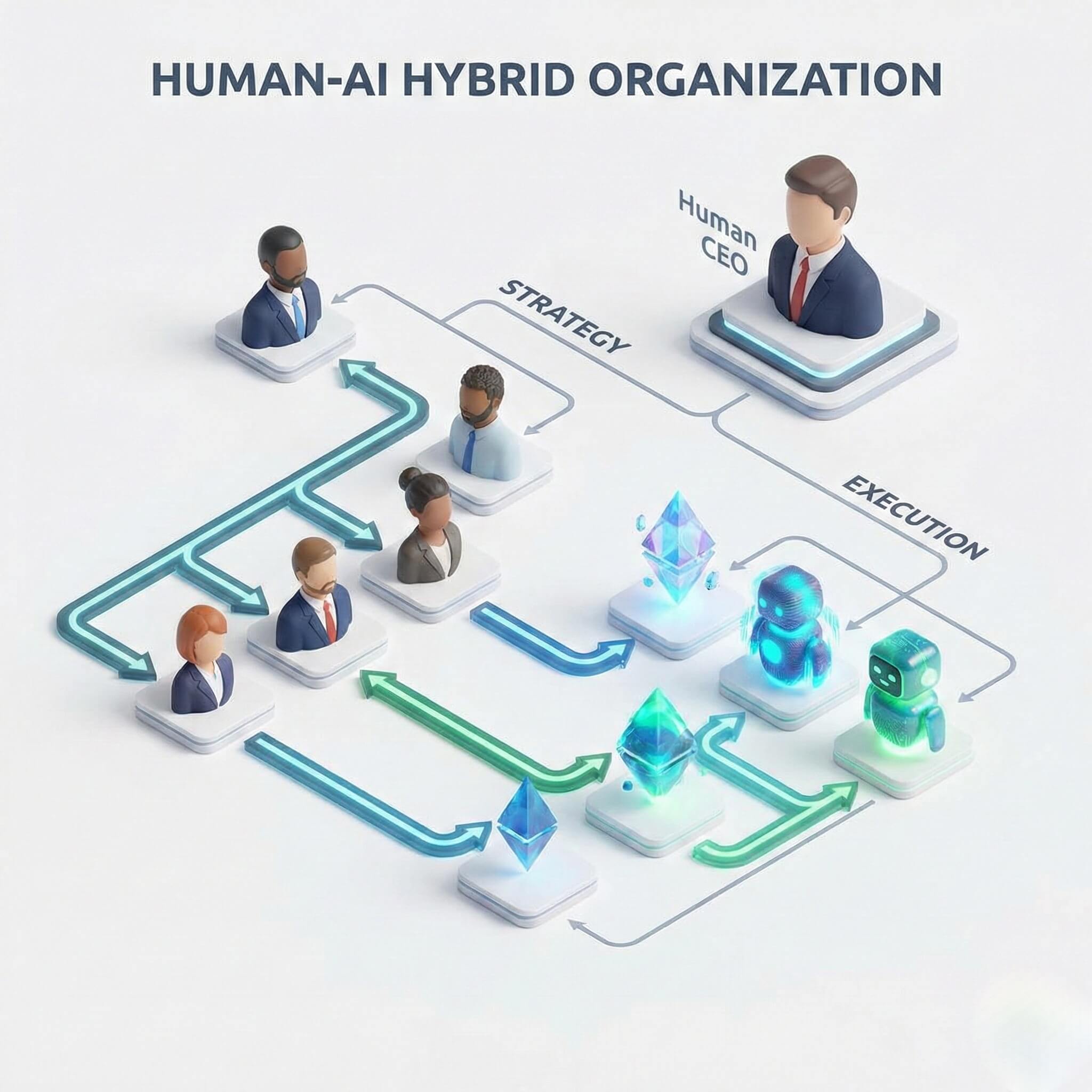
Implementing an AI Workforce does not mean removing humans from the loop. It elevates the human role from "doer" to "manager."
-
Reviewing Outcomes: Validating the quality of output (e.g., lead relevance).
-
Adjusting Strategy: Refining targets based on performance data.
-
Handling Complexity: Taking over high-value interactions that require deep human empathy or complex negotiation.
This Hybrid Workforce model combines the efficiency of AI with the strategic oversight of humans.
FAQ: Managing Your AI Workforce
-
Q: Do I need technical skills to manage Promoi?
-
A: No. Promoi is designed for business leaders, not developers. You manage AI Workers using Natural Language and SOPs, just like managing a human team.
-
-
Q: How does this differ from traditional outsourcing agencies?
-
A: Speed, Transparency, and Control. Agencies often have communication gaps and opaque processes. Promoi executes immediately, provides real-time visibility into every action, and gives you full control over your data.
-
-
Q: Is this suitable for large Enterprise teams?
-
A: Yes. Promoi offers enterprise-grade governance features, including Role-Based Access Control (RBAC), centralized billing, and detailed audit logs designed for large-scale organizational management.
-
-
Q: Can AI Workers support global operations?
-
A: Yes. AI Workers are inherently multilingual and can operate across any time zone, allowing you to deploy standardized operations across different regions without language barriers or logistical friction.
-
Conclusion: The Organization of the Future
The definition of "labor" is changing. The most successful companies of 2026 won't just use the best software tools; they will integrate Digital Employees to break the linear link between headcount and output.
Promoi is your new HR department for digital labor. Scale your operations based on market demand, not recruitment capacity.
Ready to hire your first AI Employee? Deploy Your Digital Workforce with Promoi and transform how your business operates.